
Beyond the Transaction: Fundraising and the Relationship Economy
What do we mean when we use the term "relationship economy?"
The first time I heard the phrase was last month in a group chat with three dear friends. We were discussing the cultural differences between healthcare systems in Jamaica and the U.S. and I couldn't stop thinking about how relevant the concept was to fundraising. In my world, the relationship economy is how we leverage personal, authentic connections to create the resources we need to thrive. It is the antithesis of the "transaction economy," which views fundraising as a mere exchange of money rather than a deep, shared investment in a mission.
A Tale of Two Paradigms
The data and current sentiment shows us that the transactional approach may be hitting a ceiling. Donor retention has declined and overall corporate and foundation giving has grown stagnant as philanthropic priorities have shifted or paused. While the transaction economy might feel like it offers a better ROI, the numbers tell a different story. Nationally, individual giving remains a powerhouse, accounting for $392.45 billion (66.7%) of all U.S. charitable giving in 2024. Yet, in North Carolina, individual contributions combined make up less than 5% of overall nonprofit revenue.
In a relationship economy, an annual donor means just as much as a corporate funder because the focus is on human connection, which is the key to a community-centered and donor-driven fundraising strategy. The question isn't whether we need stronger individual giving programs, but how we build them. While there are many ways to approach this, let's start with three strategies focused on staffing structure, volunteer activation and direct donor engagement:
Actionable Strategies for the Relationship Economy
- Proactive Stewardship: What if we built teams that prioritized individual relationships at the same scale we do for corporate partnerships? Oftentimes these relationship-building roles and responsibilities can be cross-functional and expenses can be shared with programs. Bonus: this strategy infuses a culture of philanthropy across your organization and not just on your fundraising team.
- Portfolio Empowerment: Give your board the gift of clarity and a fundraising task that goes beyond an ask or a warm introduction: a donor portfolio. By assigning board members a specific portfolio to manage based on their comfort level, you create a force multiplier for your staff and help board members build their own fundraising muscles through authentic connection.
- Pick One, Go Deep: Instead of staring at an endless donor report (we’ve all been there!), pick one segmented group and protect your time to go deep with them. As adrienne maree brown reminds us, "what we pay attention to, grows."
Start with two parameters that feel important to your strategic goals: e.g., they give annually, but haven't given yet this year or they live in the zip code of your organization and made a gift at a level that is significant to your organization.
Strategy in action example: a client organization focused stewardship calls on donors at a certain giving level and as a result made a connection that transformed a donor’s engagement. They became a year-end campaign champion. The result? A 14% increase in total giving to close out the year.
Commit to a shift from simply moving money to truly meeting hearts. This isn't just a tactic—it is a way of being in community with one another that naturally maximizes your organization’s revenue potential.
As a new Armstrong McGuire Senior Advisor (and a relationship economy practitioner), I’ll close my first Musing with something fun:
- What I'm reading: Nature and the Mind, a recent Earth Day recommendation from Sierra Club North Carolina Chapter’s Director Chris Herndon.
- What I'm listening to: Triangle nonprofit leader Sonali Ratnasinghe recorded a TEDx talk recently and I’m still thinking about her take on strategic leverage.
- My current find: Bright Black Candles, a Durham-based family business that uses scent as mediums for storytelling and community building.

Some of the Best Advice Came from the People I Was Supposed to Be Advising

.png)
Next Level: Ready or Not, Here We Grow

We Are Not the Sector You Turn to Last
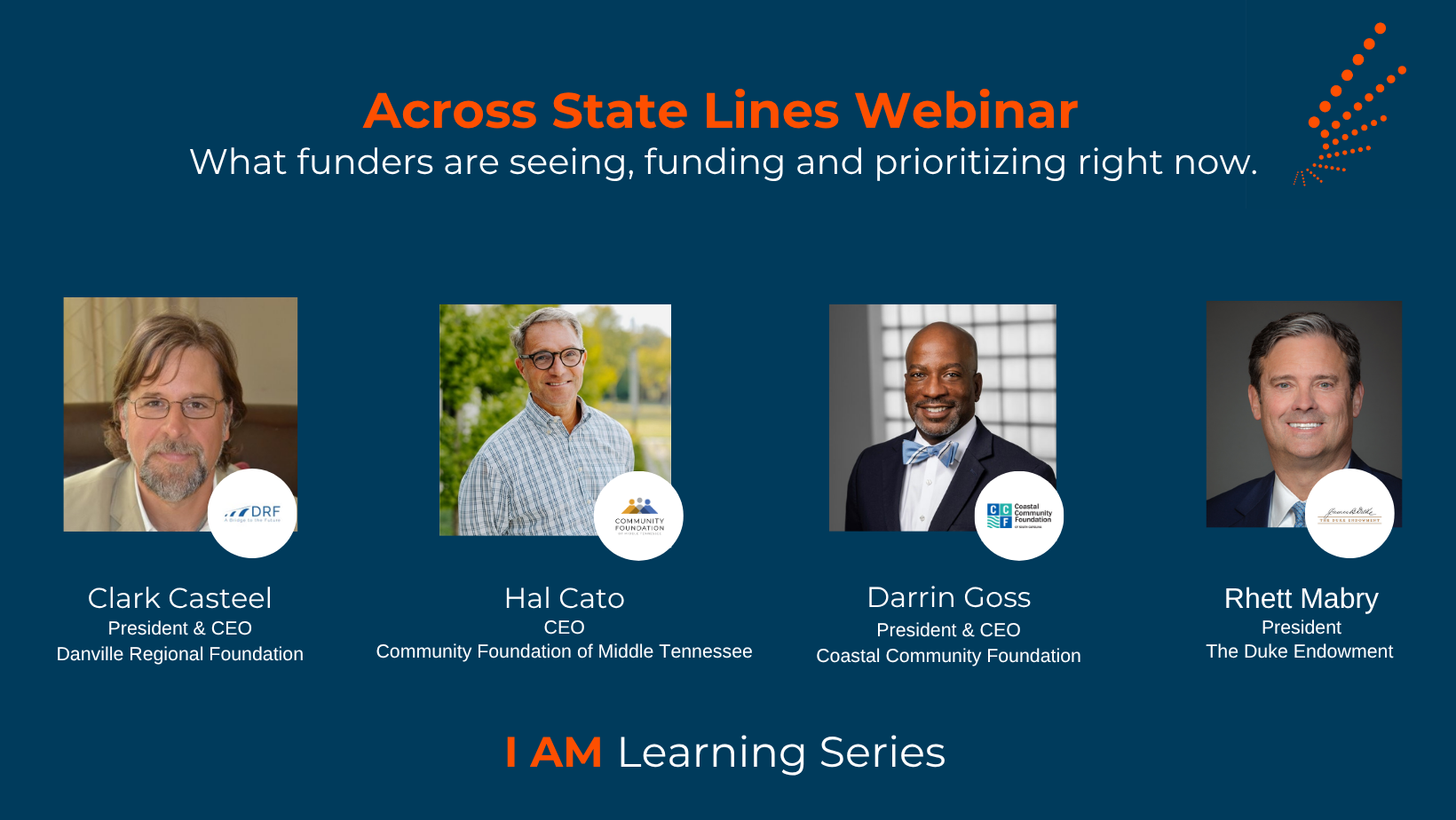
Across State Lines What Funders Are Seeing, Prioritizing and Funding Right Now
Staying Connected
Complete the form below to receive the latest updates, events, and insights.
Ready to Partner