Getting to the Ground Truth in Our Communities, One Step at a Time

by
Todd Brantley
Start
End
Tuesday, June 6, 2023

Getting to the Ground Truth in Our Communities, One Step at a Time

Todd Brantley
Senior Advisor

In the field of geographic information systems (GIS) mapping, there is a term for verifying data and images collected at a high, macro level. The term is Ground Truth.

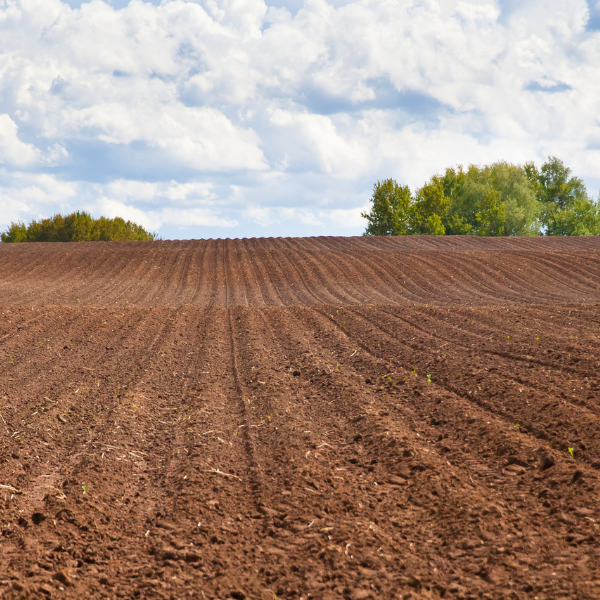
The concept is this, data that is gathered through satellite imaging is then verified by putting boots on the ground, by walking and measuring the contours of a landscape initially observed at a distance to confirm that the data and measurements are true and accurate.

The term was introduced to me many years ago not by a meteorologist or geographer or cartographer, but rather by a colleague who wore the dual hats of being both a researcher and a practitioner in the field of rural community and economic development.

The point he made in introducing this concept to me was a simple and intuitive one: No matter how much data we have gathered, no matter how much analysis we have done at a distance, we can never know the full picture of the communities we work in unless we both figuratively and literally put boots on the ground and walk the landscape. Why? Because data is an incomplete picture—only a partially developed negative of a fuller photograph. As much as we absolutely should depend on it and use it in the designing of programs and providing of services to communities, large and small, it is not the complete picture of a place, of a people, of the life of a community.

That requires a faithful and physical presence in a place.

The same colleague would often remind me as we were pouring over the most recent statistics and numbers from sources like the Census Bureau or the Bureau of Labor Statistics that economic data were often a lagging indicator. Much as we look up in the night sky to see the light of a distant star, often the data we are looking at is not a real-time picture of a place but a slightly delayed image from the past (granted, it is a much more recent past than the billions of light years it takes for the twinkle of a random star to reach our optic nerves, but it is still often one step behind the reality and lived experience on the ground).

Data and statistics are given a fuller and more accurate picture when the people whose lives make up those numbers—the individual pixels that comprise the high-altitude satellite image—are included in the data analysis. And that picture is most accurate when those individuals and communities also have input into what is to be measured from the start. If we are going to rely on data to develop the more accurate image of a place, start by asking the communities we are working in for their input. What is important to measure here? What do we want to track? How do we want to gauge our progress?

So, the next time you are launching a program or developing a new strategic objective for your organization, ask yourself how you will “ground truth” your work.

(If you want a deeper dive, a great place to start is the recent “Measure Up” report from the Community Strategies Group at the Aspen Institute.)
Next>

Planning Before The Next Harvest

Next>

Some of the Best Advice Came from the People I Was Supposed to Be Advising

Next>

Next Level: Ready or Not, Here We Grow

Next>

Across State Lines What Funders Are Seeing, Prioritizing and Funding Right Now

Next>

Building Ponds: Lessons from a Few Dump Trucks and Four Funders

Next>

We Are Not the Sector You Turn to Last

Next>

Succession Planning is the Beginning, not the End. Who Will Lead Next?

Next>

Responding to Adversity with Resilience and Creativity

Next>

When a Doctor’s Best Prescription Is… a ‘Legal Aid’ Lawyer

Next>

Are you ready for it?

Next>

The Story the Headlines Miss

Next>

The Funding Landscape Is Shifting. Is Your Revenue Model?

Next>

Does Your Organization Need To Enter Concussion Protocol?

Next>

It Doesn’t Have to Fail to End

Next>

Strong Relationships Don't Happen by Accident

Next>

The Art of the Interim: Five Lessons for the "In-Between" of Leadership Transitions

Next>

Are You Ready to Be an Interim Executive?

Next>

Season by Season: How Interim CFO Leadership Strengthens the Nonprofit Audit Cycle

Next>

Trust Your Gut

Next>

The Ted and Beard Effect: Why Great Fundraising Starts with Great Leadership Partnerships

Next>

Why So Serious? Lessons Learned About Levity

Next>

What Is a Manager's Job, Really?

Next>

Dear Board Chair: Are You Ready for Your Next Leader?

Next>

Strong Boards Check-In on Themselves

Next>

Using the 70/30 Rule: AI in the Nonprofit Sector

Next>

The Last Trip

Next>

When a Partnership Becomes a Shared Mission

Next>

Your Mission Needs You Rested

Next>

The Stories You’re Not Telling May Be Holding Your Mission Back

Next>

Long Live: Building Nonprofits That Outlast Their Leaders

Next>

Are We Built for This?

Next>

Beyond the Transaction: Fundraising and the Relationship Economy

Next>

We Are Armstrong McGuire

Next>

Why Nonprofit Leaders Don’t Have to Do This Alone

Next>

April Showers Bring May Flowers

Next>

Why Hiring an Interim CFO Could Be a Smart Move for Your Nonprofit

Next>

The Campaign Myth: Capital Campaigns Aren’t Really About Buildings

Next>

Philanthropy Is Getting Closer to the Community

Next>

Making Room for the Aha! Moment

Next>

Measuring Performance

Next>

Can You Say No?

Next>

Become a Philanthropist

Next>

A Village of One

Next>

“You Can’t Be Good At Everything”

Next>

“Will” Power for the New Year

Next>

“So, Tell Me About Yourself”…How to Ensure You Move to the Next Step in the Interview Process

Next>

“55 Saves Lives”

Next>

“I’ve never been a natural, all I do is try, try, try.”

Next>

“Fun with Board and Org”

Next>

Who is Your Leprechaun?

Next>

Ziplining or Hang Gliding - What Fundraising Adventure Will You Choose?

Next>

You’ve Hired A New Employee Virtually (Or Are About To) – Now What?

Next>

You’re Invited!

Next>

Your Vibe Attracts Your Tribe

Next>

Your Path to Nonprofit Leadership Podcast Features AM Partner David Harris

Next>

Your Next Hire: A Strategic Investment

Next>

You Have A Strategic Plan. Now What?

Next>

You don't choose a life, you live one.

Next>

Writer’s Block: The Nonprofit Equivalent

Next>

Yes... and...

Next>

Yeah…If You Could Come To My Leadership Meeting, That’d Be Great.

Next>

Working From Home: A Lesson We Can't Unlearn

Next>

Winning the Lottery

Next>

Will our good fortune help or hurt the less fortunate?

Next>

Williams Named Managing Director of Armstrong McGuire

Next>

Why Sustainable Leadership Requires an Intentional Pause

Next>

Why Small Teams Work

Next>

Why I Need a Vacation

Next>

Who...are you…who, who, who, who…???

Next>

Who Did that Search?

Next>

Where's My Next Leader?

Next>

Where Do We Go From Here?

Next>

When you hit a hard spot.

Next>

Where are our Volunteers?

Next>

When the interim executive gig goes long…

Next>

When Stewardship Requires Sensitivity: Reflections on Aging Donors and Ethical Fundraising

Next>

When a Conversation Takes a Serious Turn

Next>

When Everything is Changing

Next>

What’s Your Why?

Next>

When Crisis Comes with the Territory

Next>

What's Your Giving Plan?

Next>

What Instrument Do You Play?

Next>

What you can control…

Next>

What nonprofits can learn from Donald Trump and Hillary Clinton

Next>

What is it About Pope Francis?

Next>

What is Your Organization’s Rating & Why Does It Matter?

Next>

What if Fundraising was an Olympic Sport?

Next>

What Nonprofit Leaders can Learn from a Brick

Next>

What Matters More - Donations or Donors?

Next>

What Makes a Successful Interim Executive? Lessons From My First Year Supporting Interim Leadership

Next>

What I Learned from a Box of Thank You Notes

Next>

What Is Needed Now

Next>

What Is A Campaign Cabinet (and Do I Need One?)

Next>

What I have learned over the past 6 years…

Next>

What Happens When You Fail

Next>

What Got Us Here Will Not Get Us There

Next>

What Good Is It If You Don’t Use It?

Next>

What Do the Olympics and Nonprofit Collaboration Have in Common?

Next>

What Comes Before Mission and Vision?

Next>

What Can We Learn From World Cup Fever?

Read More from
Todd Brantley
Senior Advisor
View Profile
Planning Before The Next Harvest
Wednesday, October 28, 2026

If you are a rural nonprofit leader or board member, begin the succession planning discussion now. Then, when the transition happens, either planned or unexpected, consider an interim executive to lead an organizational assessment...

Read the  Article
To Be, Is To Be Perceived
Thursday, August 7, 2025

One of the lesser-known figures in the Western philosophical tradition is the 18th Century English Bishop George Berkeley (pronounced, “Barkley”).

Read the  Article
How do we define community? And how does community define us?
Wednesday, May 28, 2025

We all carry with us throughout our lives a short list of profound thinkers who have influenced and shaped our own personal growth and professional development.

Read the  Article
Picking Up The Pieces After Hurricane Helene Part 2
Tuesday, October 15, 2024

Two weeks ago, we reflected on the devasting impact of Hurricane Helene in Western North Carolina. Today, we resume the conversation.

Read the  Article
Picking Up The Pieces After Hurricane Helene
Wednesday, October 2, 2024

At the time of this writing, I, like countless others across the state, have been trying to make sense of the devastation left by Hurricane Helene in Western North Carolina.

Read the  Article
I AM

Staying Connected

Complete the form below to receive the latest updates, events, and insights.

*

indicates required

() -(###) ###-####
I AM

Ready to Partner

Curious about how we might work together or want to start a conversation? Share a few details using the form below.
Contact Us