Picking Up The Pieces After Hurricane Helene Part 2
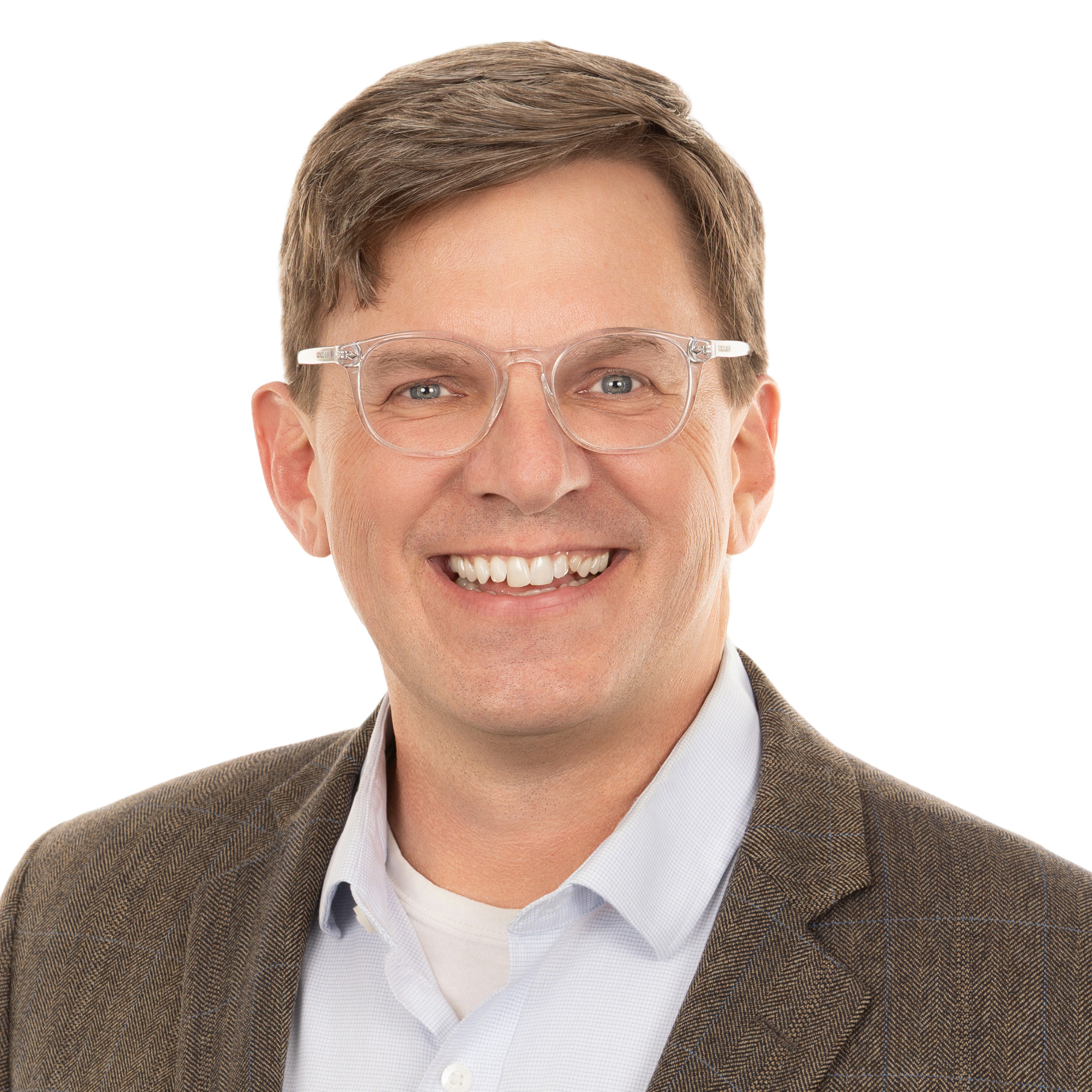
Two weeks ago, we reflected on the devasting impact of Hurricane Helene in Western North Carolina. Today, we resume the conversation.
In the best of times, rural nonprofits face challenges that are not always present for those individuals and organizations located in our larger urban cores. Compounded now with the daunting road to recovery in Western North Carolina, many of the issues rural community builders faced prior to the storm will now be amplified and complicated on the long road to recovery.
So, what are some of those unique challenges, and what might be some of the strategies organizations and communities deploy as they rebuild?
Leadership:
Like any nonprofit regardless of geography, rural nonprofit executives are typically overextended and underpaid. The major difference is for many rural nonprofits, there is not a stable of well-trained, well-equipped emerging leaders waiting in the wings as there might be in some urban communities. It makes succession planning challenging and adds to the burden many nonprofit leaders shoulder. “If I leave, who will take my place to continue the work”? The strain on nonprofit leaders, boards, and staff serving flood damaged communities will only be intensified in the weeks and months ahead. They will be asked to do even more with even less.
Strategy: Leadership development isn’t just a staffing issue for rural nonprofits. It extends to boards of directors as well. How is your board developing the next generation of community leaders? Does your organization recognize the network loop so prevalent in smaller communities, where the same people are recruited by the same people to serve on the same organizations, again and again? How can you break that loop to make sure your board is representative of the communities you serve? Are you renewing your board culture with each new board class by engaging and recruiting perspective members with new energy and fresh ideas?
Think about how community leadership development can be part of your organization’s programmatic offerings, with a special emphasis on youth and young adults. Give them a seat at the table and a voice in the community they call home. It encourages leadership and gives them sense of community ownership, a reason to stay or return to build a life and put down roots. Establish board adjacent advisory committees to give new and emerging leaders in the community the opportunity to learn what it means to serve as a nonprofit director. Encourage and incentive nonprofit staff and executives to pursue leadership development opportunities outside of the community.
Resources and Funding:
The ever-present challenge of fundraising and resource development is not unique to rural nonprofits. It is part and parcel of nonprofit life. However, data is clear that rural communities are historically underfunded compared to their urban counter parts as a percentage of overall philanthropic giving. By most measures, only about seven percent of foundation grantmaking goes to rural communities, while those communities make up 20-30% (depending upon the measure) of our nation’s overall population.
Strategy: North Carolina is blessed with private and community foundations invested in our state’s rural people and places, and that commitment will inevitably increase as the state recovers from the impact of Hurricane Helene. Your nonprofit should be in contact with the foundations supporting rural North Carolina, and that contact shouldn’t only come with the submission of a grant application. Foundations should be viewed as thought partners in your work. Keep them updated, even when there isn’t a need for financial support. Reach out and ask their assistance connecting you with other resources and partners across the state and nation (their network is probably larger than yours, to be honest). Invite them to your events and to meet the individuals you serve. Foundations can meet rural nonprofits halfway by increasing the availability of unrestricted funding, operating support, and capacity building grants so many rural nonprofits desperately need for staffing and infrastructure and strategic planning.
Geography:
Unlike nonprofits based in densely populated metro areas, rural nonprofits are often serving a sparsely populated client base without access to mass transit or reliable transportation. That burdens rural nonprofits with developing responsive distribution systems and delivery of goods and services. It is compounded in the wake of a natural disaster where communities might find themselves isolated due to impassable roads and downed communication networks. This is absolutely the case for Western NC right now.
Strategy: We must destigmatize operating reserves for nonprofits. Nonprofit leaders and board members should not feel sheepish about building out and protecting at least a six-month operating cushion, especially for those organizations located or serving in disaster prone areas. In times of disaster, when nonprofits need access to unrestricted funds to continue operations and services uninterrupted, a protected operating reserve can be a lifeline and a bridge to a post-recovery return. Likewise, funders and donors should applaud and encourage nonprofits to be good and far-sighted stewards of their resources, understanding that an operating reserve is an investment in future work, at a time when it might be needed the most. Nonprofits too must seek out partnerships with other organizations in the community and region to extend its reach and avoid duplication of services (and the potential dilution of funding dollars).
In the coming months, our state’s nonprofits and philanthropic foundations will be in the lead in rebuilding Western North Carolina. In times of crisis there are often moments of clarity. Clarity of mission and purpose. We will be reminded of the importance of our state’s robust network of nonprofits and the backbone of our generous foundations and donors. As our communities rebuild, let’s support and encourage our nonprofits to rebuild too, to plan, to reflect, and to find space for their own care and personal recovery.
The National Council of Nonprofits offers practical tips to Donors and Nonprofits wanting to assist during this time: Disaster Recovery – What Donors & Nonprofits Need To Know.
If you can, please make a donation to support the many organizations who are hard at work in the rescue and recovery efforts.
- American Red Cross - NC Chapter
- Baptists on Mission
- Feeding the Carolinas
- Food Bank of Central & Eastern NC
- MANNA FoodBank
- Mountain Housing Opportunities
- Mutual Aid Disaster Relief
- North Carolina Community Foundation Disaster Relief Fund
- Samaritan’s Purse
- The Community Foundation of Western North Carolina
- The Salvation Army
- United Way of North Carolina
Our hearts go out to our current and past clients, and friends of the firm in Western NC: Manna FoodBank, FIND Outdoors, Western Carolina Medical Society, Asheville Humane Society, YMI Cultural Center, Odyssey School, OnTrack Financial Education & Counseling, Thrive Asheville, Community Foundation of Western NC, Homeward Bound of WNC, Asheville Museum of Science, Mountain Housing Opportunities, Montreat College, and more.
Todd Brantley is a Senior Advisor with Armstrong McGuire who specializes in board governance, rural community & economic development, faith communities, strategic planning, organizational assessment. Learn more about Todd and check out his other musings in his bio.

One of the lesser-known figures in the Western philosophical tradition is the 18th Century English Bishop George Berkeley (pronounced, “Barkley”).


We all carry with us throughout our lives a short list of profound thinkers who have influenced and shaped our own personal growth and professional development.
At the time of this writing, I, like countless others across the state, have been trying to make sense of the devastation left by Hurricane Helene in Western North Carolina.

This month, Armstrong McGuire is reflecting on nonprofit board governance, and what it really means to be a single member of a collective Board of Directors.

Full disclosure: The blog post you are reading almost didn’t happen. Like most people, there are times where I can come down with a nasty case of writer’s block, and I was stricken by a particularly acute onset this time.

The Funding Landscape Is Shifting. Is Your Revenue Model?

Does Your Organization Need To Enter Concussion Protocol?

It Doesn’t Have to Fail to End

Strong Relationships Don't Happen by Accident
Staying Connected
Complete the form below to receive the latest updates, events, and insights.
Ready to Partner