Are We Built for This?
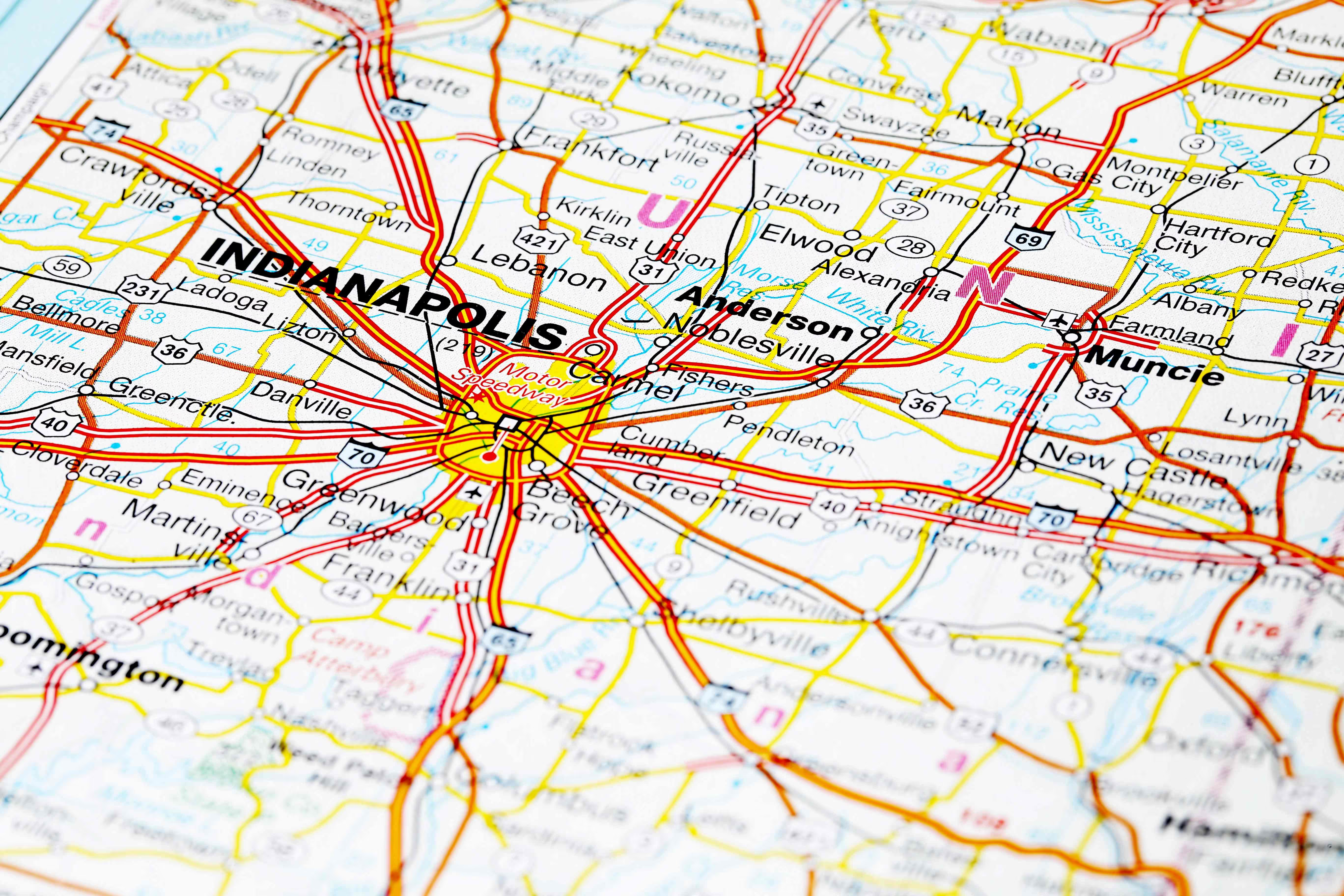
Last month I traveled to Indianapolis to join in the spectacle they call the NCAA Final Four, college basketball’s national championship. It was a belated birthday present for my sports enthusiast son and a bucket list trip for me. Given that his alma mater flamed out early in the tournament and my beloved Wake Forest Demon Deacons were once again absent from this year’s March Madness, we took in the experience as agnostic fans. No favorite team to root for. No 12-seed Cinderella story to follow. No player or coach to villainize. Just the chance to embrace the experience and create a few more father-son memories.
Over the span of four days, the host city left quite an impression on me. Indianapolis was ready and seemed perfectly equipped for the influx of tens of thousands of sports fans, athletes, celebrities and media that took over its downtown corridor. From the smooth arrivals and departures at the airport, the sheer size and accessibility of Lucas Oil Stadium, the massive convention center, the beautiful hotels that served as host facilities, the hospitality and helpful spirit spilling out from the swarm of well-trained volunteers, security that was apparent but measured, and more -- everything about the experience screamed that the city’s infrastructure and its people were built to handle this massive event.
Indianapolis was not always a year-round sports and entertainment destination. For decades, it was known mostly for its famous Indianapolis Motor Speedway (awesome by the way) and the world-renowned Indianapolis 500 car race. Beyond that, it was struggling with suburban flight and economic growth. But starting in the 1980s, leaders made a strategic choice to reclaim the city’s potential by reimagining downtown viability using sports as the vehicle. They created a civic coalition called “Team Indy.” This collaborative group of public officials, corporate leaders and small business owners, nonprofits and others, all aligned around the same vision. It was not about attracting sporting events for sports sake. It was about using sports as a catalyst for downtown revitalization and economic development. They invested in world-class venues. Brought in the NCAA headquarters. Developed hospitality expertise. Marketed themselves strategically. Their intentionality paid off. It resulted in national attention and an economic boom.
But here is what I find to be most interesting and noteworthy. Indianapolis didn’t just build stadiums, convention centers and hotels. They built a system. They aligned their people, their resources and their messages around a single north star. And something far more important than hosting sporting events has taken place. Today, the city has an affordable cost of living compared to other major cities, a vibrant arts and culture scene including museums and theaters, numerous parks and outdoor recreational opportunities, a strong sense of community and friendly residents, a growing job market, particularly in tech and healthcare sectors, and yes, major sporting events and a passionate sports culture.
Indianapolis started with a problem of a declining downtown and picked sports as their lever, then built everything around it: the venues, the coalition, the trained volunteers, the infrastructure. It has become a city that is well-positioned for a healthy, sustainable future. A city that brought citizens from across the community into the planning and decision-making process. A city that has created a sense of community pride and belief in what they were accomplishing. A city that is purpose-built.
Imagine our social sector adopting a similar purpose-built mindset. Defining the big issues that limit potential and impact. Bringing all those who support and benefit from our work together around a common, unifying vision. Investing in systems and infrastructure as we should. Insisting on growing strong and accountable boards of directors, as we should. Investing in marketing, sharing powerful stories of human and community impact, as we should. Unapologetically inviting those who can invest in our work to do so, as we should. Investing in staff and volunteer development, as we should. Paying staff like the professionals they are, as we should.
Is your nonprofit built for the changing realities facing our sector and our society? Or are you scattered with good intentions, just hoping things align? With growing demand for solutions to increasingly complex societal challenges, we must reimagine the ways we maximize our social sector’s infrastructure and human capital. We need every leader, every system, every investment, every decision, every member of the team in alignment.
We need a more purpose-built social sector. And I believe we can build it together. I would love to hear your ideas because it is going to take ideation beyond our norm, reach out at bert@armstrongmcguire.com or Bert Armstrong | LinkedIn

Congratulations! You have been elected chair of the board of a nonprofit you hold in high regard.


Nonprofit leadership transitions can be a moment of crisis - or opportunity. When an executive director (ED) or CEO departs, organizations often rush to fill the vacancy, but this urgency can lead to costly missteps.

As we welcome in a new year, Armstrong McGuire is wrapping up our 2024 celebration of a significant milestone—20 years of partnering with nonprofits to unlock the potential in their communities.

Hockey legend Wayne Gretzky famously said, "You'll always miss 100% of the shots you don't take."

Happy New Year! Ringing in any new year presents all of us time to reflect on a year that was.

The Funding Landscape Is Shifting. Is Your Revenue Model?

Does Your Organization Need To Enter Concussion Protocol?

It Doesn’t Have to Fail to End

Strong Relationships Don't Happen by Accident
Staying Connected
Complete the form below to receive the latest updates, events, and insights.
Ready to Partner