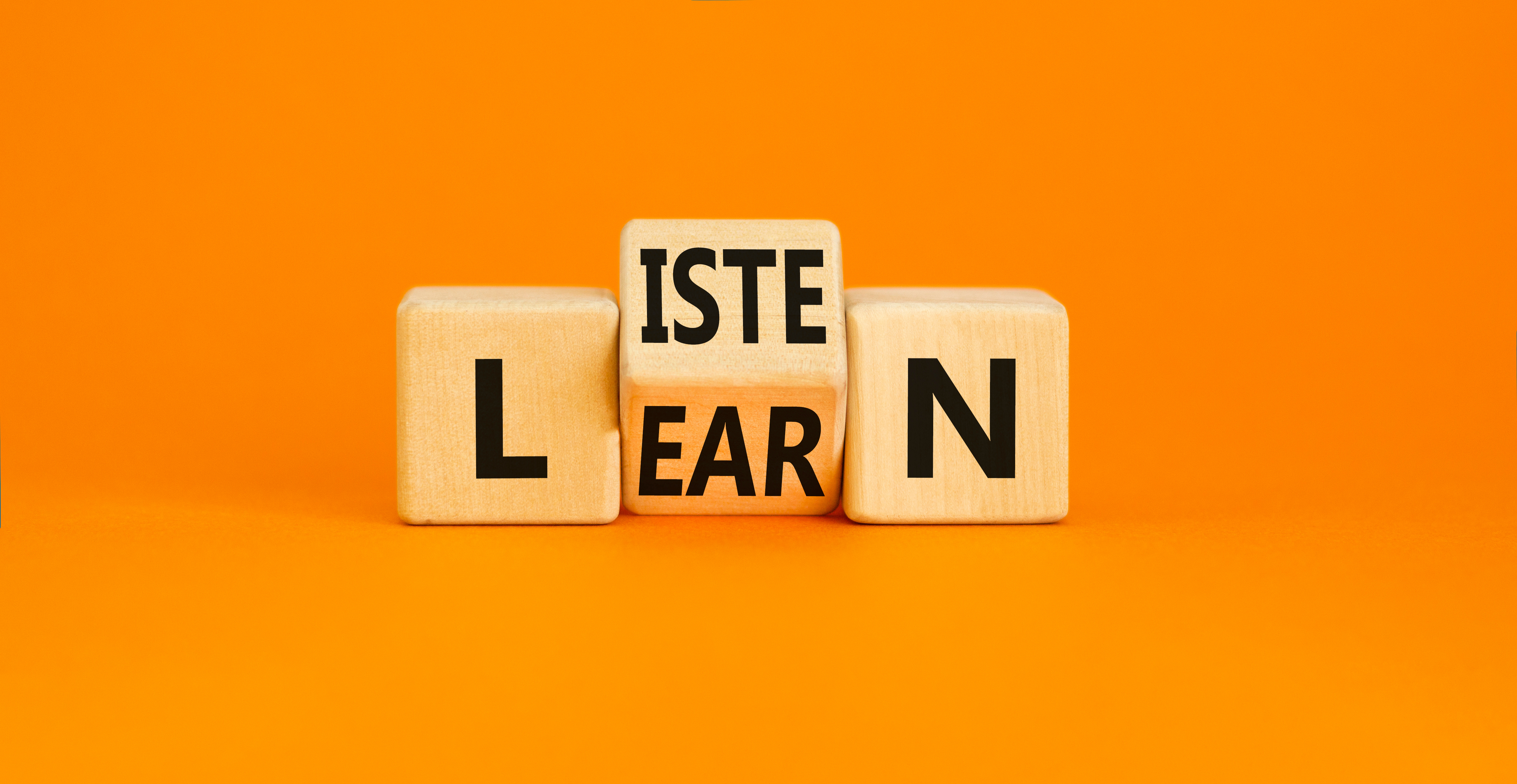
Grants aren’t gifts. They are investments.

by
Guest Blogger
Start
End
Monday, February 2, 2026

Grants aren’t gifts. They are investments.

We’re pleased to welcome Damon Circosta, Executive Director and Vice President of the A.J. Fletcher Foundation, to the Armstrong McGuire blog — bringing his deep experience advancing nonprofit impact, strategic philanthropy, and community leadership across North Carolina.

‍

At the start of each new year, most nonprofits are closing out the last one. Reports are finalized, thank you notes are sent and “gift” receipts are issued. While these routines are normal and the language we use is familiar, they’re also worth evaluating. 

Calling a grant a “gift” suggests a one-way act of generosity with no real expectation attached. That framing might be convenient, but it doesn’t reflect how philanthropy actually functions. The work we are collectively engaged in isn’t charity. It’s about building healthier, stronger communities and that work is inherently reciprocal. 

At the A.J. Fletcher Foundation, we don’t see ourselves as bestowers of gifts. We see ourselves as partners. A gift implies a benevolent giver and a grateful recipient. It also implies that there’s no expectation of return. But foundations can’t achieve our missions without the talent, judgment, and day-to-day labor of nonprofit leaders and staff. Our success is inseparable from theirs. The word “gift” carries assumptions that undercut reality. 

Reframing grants as investments helps clarify roles and responsibilities. It encourages shared accountability rather than one-sided generosity. Funders are accountable for being clear, patient, and engaged. Nonprofits are accountable for executing, adapting and stewarding resources well. That framing is more honest, and more useful, than pretending all this work is just charity. It shifts the focus away from the donor and toward the community. A gift mindset centers the act of giving. An investment mindset asks different questions. What is changing? What is getting stronger? What will last beyond this grant cycle? 

Unlike market investors, philanthropic returns are not often measured in dollars. We look for stronger institutions and better outcomes for people and places. Those returns are harder to quantify, and one of the challenges in our sector is mistaking what’s countable for what counts. As some of the most important work in our communities doesn’t show up cleanly in a spreadsheet. Building trust. Developing leadership. Creating the conditions for collaboration are harder to quantify but only happen when we view the work as something more than a gift. 

There are opportunities for (as they say in the private sector) “ROI”, but those returns only come about if we reconceptualize our work as seeking community value as opposed to gratuitous exchange. Simply acknowledging that resources should be deployed with intention, in partnership, and with clear expectations from all involved does not negate the generosity of the people who choose to use their funds this way. When done well, philanthropic investments can deliver a sense of joy, gratitude and accomplishment. More importantly, these investments yield returns in stronger institutions and community success. 

Changing our language won’t resolve the many challenges our sector faces overnight. But language shapes behavior. Moving away from the language of gifts and toward the language of investment is a small but meaningful step toward a more effective and more honest sector. Funders should stop thinking of themselves as gift-givers. Nonprofits should stop framing their work as charity. The work we do together is an investment in North Carolina’s communities, and it’s time we talked about it that way.  

Next>

I Do (Value Relationships)

Next>

Planning Before The Next Harvest

Next>

Some of the Best Advice Came from the People I Was Supposed to Be Advising

Next>

Next Level: Ready or Not, Here We Grow

Next>

Across State Lines What Funders Are Seeing, Prioritizing and Funding Right Now

Next>

Building Ponds: Lessons from a Few Dump Trucks and Four Funders

Next>

We Are Not the Sector You Turn to Last

Next>

Succession Planning is the Beginning, not the End. Who Will Lead Next?

Next>

Responding to Adversity with Resilience and Creativity

Next>

When a Doctor’s Best Prescription Is… a ‘Legal Aid’ Lawyer

Next>

Are you ready for it?

Next>

The Story the Headlines Miss

Next>

The Funding Landscape Is Shifting. Is Your Revenue Model?

Next>

Does Your Organization Need To Enter Concussion Protocol?

Next>

It Doesn’t Have to Fail to End

Next>

Strong Relationships Don't Happen by Accident

Next>

The Art of the Interim: Five Lessons for the "In-Between" of Leadership Transitions

Next>

Are You Ready to Be an Interim Executive?

Next>

Season by Season: How Interim CFO Leadership Strengthens the Nonprofit Audit Cycle

Next>

Trust Your Gut

Next>

The Ted and Beard Effect: Why Great Fundraising Starts with Great Leadership Partnerships

Next>

Why So Serious? Lessons Learned About Levity

Next>

What Is a Manager's Job, Really?

Next>

Dear Board Chair: Are You Ready for Your Next Leader?

Next>

Strong Boards Check-In on Themselves

Next>

Using the 70/30 Rule: AI in the Nonprofit Sector

Next>

The Last Trip

Next>

When a Partnership Becomes a Shared Mission

Next>

Your Mission Needs You Rested

Next>

The Stories You’re Not Telling May Be Holding Your Mission Back

Next>

Long Live: Building Nonprofits That Outlast Their Leaders

Next>

Are We Built for This?

Next>

Beyond the Transaction: Fundraising and the Relationship Economy

Next>

We Are Armstrong McGuire

Next>

Why Nonprofit Leaders Don’t Have to Do This Alone

Next>

April Showers Bring May Flowers

Next>

Why Hiring an Interim CFO Could Be a Smart Move for Your Nonprofit

Next>

The Campaign Myth: Capital Campaigns Aren’t Really About Buildings

Next>

Philanthropy Is Getting Closer to the Community

Next>

Making Room for the Aha! Moment

Next>

Measuring Performance

Next>

Can You Say No?

Next>

Become a Philanthropist

Next>

A Village of One

Next>

“You Can’t Be Good At Everything”

Next>

“Will” Power for the New Year

Next>

“So, Tell Me About Yourself”…How to Ensure You Move to the Next Step in the Interview Process

Next>

“55 Saves Lives”

Next>

“I’ve never been a natural, all I do is try, try, try.”

Next>

“Fun with Board and Org”

Next>

Who is Your Leprechaun?

Next>

Ziplining or Hang Gliding - What Fundraising Adventure Will You Choose?

Next>

You’ve Hired A New Employee Virtually (Or Are About To) – Now What?

Next>

You’re Invited!

Next>

Your Vibe Attracts Your Tribe

Next>

Your Path to Nonprofit Leadership Podcast Features AM Partner David Harris

Next>

Your Next Hire: A Strategic Investment

Next>

You Have A Strategic Plan. Now What?

Next>

You don't choose a life, you live one.

Next>

Writer’s Block: The Nonprofit Equivalent

Next>

Yes... and...

Next>

Yeah…If You Could Come To My Leadership Meeting, That’d Be Great.

Next>

Working From Home: A Lesson We Can't Unlearn

Next>

Winning the Lottery

Next>

Will our good fortune help or hurt the less fortunate?

Next>

Williams Named Managing Director of Armstrong McGuire

Next>

Why Sustainable Leadership Requires an Intentional Pause

Next>

Why Small Teams Work

Next>

Why I Need a Vacation

Next>

Who...are you…who, who, who, who…???

Next>

Who Did that Search?

Next>

Where's My Next Leader?

Next>

Where Do We Go From Here?

Next>

When you hit a hard spot.

Next>

Where are our Volunteers?

Next>

When the interim executive gig goes long…

Next>

When Stewardship Requires Sensitivity: Reflections on Aging Donors and Ethical Fundraising

Next>

When a Conversation Takes a Serious Turn

Next>

When Everything is Changing

Next>

What’s Your Why?

Next>

When Crisis Comes with the Territory

Next>

What's Your Giving Plan?

Next>

What Instrument Do You Play?

Next>

What you can control…

Next>

What nonprofits can learn from Donald Trump and Hillary Clinton

Next>

What is it About Pope Francis?

Next>

What is Your Organization’s Rating & Why Does It Matter?

Next>

What if Fundraising was an Olympic Sport?

Next>

What Nonprofit Leaders can Learn from a Brick

Next>

What Matters More - Donations or Donors?

Next>

What Makes a Successful Interim Executive? Lessons From My First Year Supporting Interim Leadership

Next>

What I Learned from a Box of Thank You Notes

Next>

What Is Needed Now

Next>

What Is A Campaign Cabinet (and Do I Need One?)

Next>

What I have learned over the past 6 years…

Next>

What Happens When You Fail

Next>

What Got Us Here Will Not Get Us There

Next>

What Good Is It If You Don’t Use It?

Next>

What Do the Olympics and Nonprofit Collaboration Have in Common?

Next>

What Comes Before Mission and Vision?

Read More from
Guest Blogger
View Profile
We Are Not the Sector You Turn to Last
Tuesday, October 13, 2026

Nonprofits are not the sector you turn to when everything else has failed. We are the sector that keeps showing up, in good times and hard ones. It is time our seat at the table reflected that.


Read the  Article
Succession Planning is the Beginning, not the End. Who Will Lead Next?
Monday, October 5, 2026

At a time when nonprofit workforce burnout is high and experienced leaders are nearing transition, the nonprofit leadership pipeline needs attention. Add to that the unique challenge of population shifts in Eastern North Carolina...

Read the  Article
Responding to Adversity with Resilience and Creativity
Monday, October 5, 2026

Our defense of philanthropic freedom is about more than our members. It’s also about preserving an environment where we can respond to challenges in inspiring and meaningful ways – and support our communities when they need it the most.

Read the  Article
When a Doctor’s Best Prescription Is… a ‘Legal Aid’ Lawyer
Monday, October 5, 2026

For 10 years, South Carolina's first Medical Legal Partnership has shown how legal aid can improve health outcomes by addressing housing, income, benefits and other issues that often keep patients from getting better.

Read the  Article
What Is a Manager's Job, Really?
Wednesday, July 15, 2026

To be an effective manager, you need both management skills and leadership qualities. These are the capabilities that make your job easier, increase employee accountability, and create a better workplace for everyone.
Read the  Article
I AM

Staying Connected

Complete the form below to receive the latest updates, events, and insights.

*

indicates required

() -(###) ###-####
I AM

Ready to Partner

Curious about how we might work together or want to start a conversation? Share a few details using the form below.
Contact Us