Strong Boards Check-In on Themselves

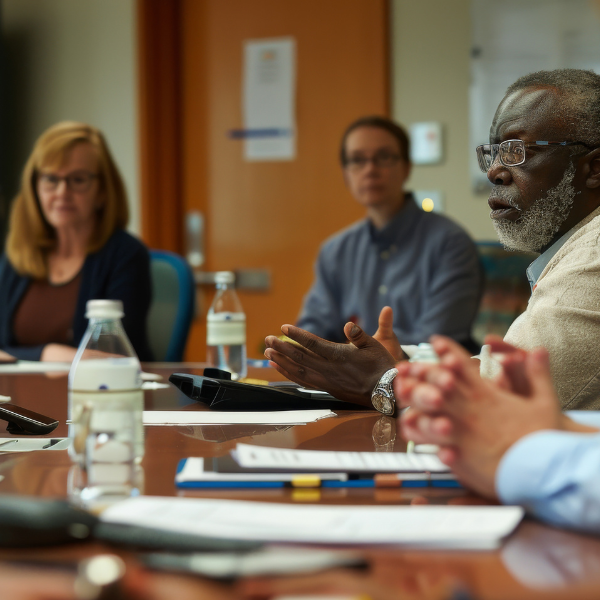
After serving on several nonprofit boards over the years and spending time on the other side of the table in an executive role, I have learned the same thing from both seats. At face value, board service looks like volunteering. But once you are in the room, it does not feel like volunteering.
You start because you believe in the mission. Maybe a friend invited you. Maybe the work has touched your life. Maybe you just want to give back to your community. But somewhere between that first meeting and your second term, it changes. You are voting on budgets. You are approving minutes that become legal records. You are evaluating an executive director in a field you may not know much about.
You are also carrying real responsibility, duties of care and loyalty that the law takes seriously, for an organization people depend on. And you are doing this on top of a full-time job, a family and everything else that fills a week. No one hands you a manual for that. You show up, do your best and count on the other people in the room to do the same. Usually on a Tuesday night after work.
So, when a governance committee decides it could use some outside help, that makes sense.
Every board has the same constraint. There are only so many hours and you are constantly deciding where they go. The strongest organizations I have worked with build in time every few years to step back and look at their governance. Not because something is wrong. Just because it is time. The same way they would revisit a strategic plan.
There is a comparison nonprofits already understand, even if it is not always applied to governance. No one questions why an organization with a good treasurer and bookkeeper still brings in an independent auditor. The audit is not a judgment on anyone doing the work. It is just recognition that some things benefit from an outside view.
Governance is one of those things.
An outside review is not there because the board has failed. It's there because the people doing the work are volunteers, not governance experts and they are fitting it in where they can. Groups like BoardSource have recommended outside facilitators for years for a simple reason. You cannot be both inside the relationships in a boardroom and also the objective observer of those relationships. Those are two different roles.
In practice, an outside review usually means one-on-one conversations with board members and staff. People tend to say things in those settings that they might not say in a full room. What comes back is not something the board could not figure out on its own. It is just more complete, because no one inside the group has to carry the extra weight of being both participant and evaluator.
The boards I respect most are not the ones without challenges. They are the ones that care enough about the work to ask for help when it will make them better.

As we move ahead in 2025, I am humbled by the profound lessons learned and deeply grateful for the people who stepped up to help during the challenging times of the past year.


In my daily life, I am grateful to work with so many people and organizations doing good together.

My neighbor recently reached out about the maintenance needs of the old logging bridge leading to our homes.
.avif)
In the age of technology and data at our fingertips, it’s easy to get lost in the pressure to meet key performance indicators and develop new reports.

Everyone needs a change sometimes. Whether you are looking to grow your talents, focus on your family, or find that better balance, thinking about a transition can be daunting…but it can also be motivating.

The Funding Landscape Is Shifting. Is Your Revenue Model?

Does Your Organization Need To Enter Concussion Protocol?

It Doesn’t Have to Fail to End

Strong Relationships Don't Happen by Accident
Staying Connected
Complete the form below to receive the latest updates, events, and insights.
Ready to Partner