Strategies for Keeping People, Culture, and Performance in Sight During Disruption
Aisha Adams is an Armstrong McGuire Certified Interim Executive, writer, equity advocate, and community leader dedicated to empowering communities.
We are thrilled to be joined by this week's guest blogger, Armstrong McGuire Certified Interim Executive Aisha Adams! Aisha is a writer, equity advocate, and community leader who has dedicated her career to empowering communities and fostering inclusivity. Based in Asheville, North Carolina, Aisha is the founder of Aisha Adams Media, where she develops innovative programs and initiatives that address critical issues such as affordable housing, mental health, and environmental justice.
In mission-driven work, it’s common to face multiple challenges at once. You can be dealing with funding uncertainties, leadership transitions, and the impacts of natural disasters such as hurricanes and wildfires all at the same time.
While strategic plans are helpful, they aren’t meant to fully prepare us for every obstacle that will come our way. During transition, it’s important to focus on what matters for the organization—its people, culture, and performance. These are the critical parts of the organization that keep it connected to the communities it serves, help us stay focused on our mission, and allow us to deliver our mission even in difficult times.
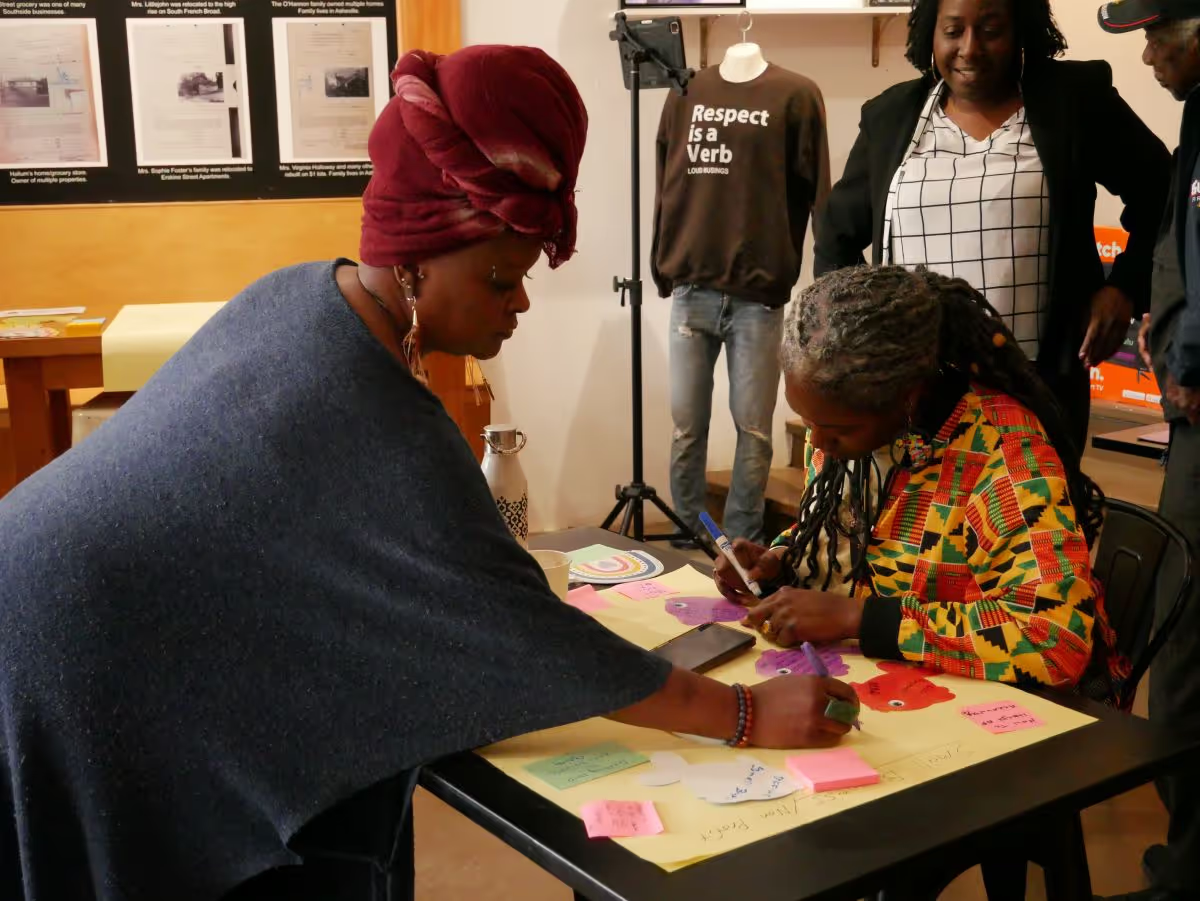
People: Emphasizing Commitment and Connection
In times of chaos, maintaining clarity is critical. Leaders are challenged to connect the organization’s goals and vision with team members’ personal purpose and values. This connection brings clarity and a sense of belonging to our teams, boards, and communities, especially during challenging periods of transition and uncertainty. This is also a good time to call people in by recruiting and elevating new voices—whether on the board, staff, or advisory groups. Doing so shows strength and growth and brings resilience, creativity, and fresh ideas into the organization during a time when it is needed most.
Strategies for Centering People
- Make Values Visible and Transparent: Don’t just state your values—discuss them. Open staff or board meetings with reflections on how recent decisions aligned (or didn’t align) with your values. Use these conversations to strengthen community and purpose.
- Recruit for Stability and Innovation: During disruption, you may feel pressure to “just fill the seat.” Recruit intentionally. It is okay to pause. Assess what perspectives, skills, and relationships your organization needs to move forward.
Culture: Your Invisible Advantage
Organizational culture is invisible but potent because it is what people feel when they enter your office, attend an event, or experience your website. During disruption, culture becomes a safe place or another challenge. People stay committed when they feel like they belong—not just as staff or board members, but as humans navigating changes happening in their community together.
Strategies for Protecting Culture
- Create Space for Connection: Disruptions can strain relationships, heighten emotions, and halt progress. Prioritize time for intentional check-ins at every level—not just to review tasks, but to understand what people need and how your organization can answer the call.
- Create Psychological Safety: Uncertainty often leads to confusion and misaligned expectations. Use disruption as a reason to revisit internal policies, communication norms, and expectations to reflect the realities of the current situation. Show your community you understand. Be transparent about changes and offer clarity on roles, responsibilities, and decision-making processes.
Performance: Adjusting Without Abandoning
When something unexpected happens, performance may need to look different—but it should never disappear. Communicating new expectations is critical. Tracking and celebrating progress during disruption helps teams stay focused, build momentum, and maintain credibility.
Strategies for Sustaining Performance
- Refine Goals Based on the New Reality: Some goals set before the disruption may no longer be necessary or make sense. Pivoting priorities and adjusting KPIs and performance expectations openly to reflect what’s realistic now can help highlight a purpose, value, and progression when it is needed most.
- Celebrate Progress, Especially the Small Wins: Recognizing progress builds morale, updates the community, and keeps the team moving forward on purpose.
Leading through disruption is all about keeping sight of people, culture, and performance.
Are you a leader navigating disruption and feeling the weight of burnout? Join Armstrong McGuire’s Wellness Wednesday series. I’ll be there next month on Wednesday, May 21, sharing insights on Tiny Shifts—small changes that make a big impact. Register here.


Nonprofits are not the sector you turn to when everything else has failed. We are the sector that keeps showing up, in good times and hard ones. It is time our seat at the table reflected that.


At a time when nonprofit workforce burnout is high and experienced leaders are nearing transition, the nonprofit leadership pipeline needs attention. Add to that the unique challenge of population shifts in Eastern North Carolina...

Our defense of philanthropic freedom is about more than our members. It’s also about preserving an environment where we can respond to challenges in inspiring and meaningful ways – and support our communities when they need it the most.

For 10 years, South Carolina's first Medical Legal Partnership has shown how legal aid can improve health outcomes by addressing housing, income, benefits and other issues that often keep patients from getting better.

To be an effective manager, you need both management skills and leadership qualities. These are the capabilities that make your job easier, increase employee accountability, and create a better workplace for everyone.

Planning Before The Next Harvest

Some of the Best Advice Came from the People I Was Supposed to Be Advising

Next Level: Ready or Not, Here We Grow
We Are Not the Sector You Turn to Last
Staying Connected
Complete the form below to receive the latest updates, events, and insights.
Ready to Partner