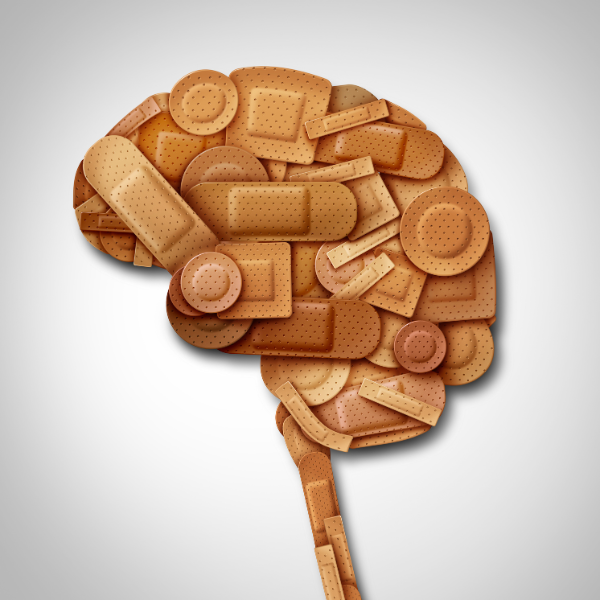
Does Your Organization Need To Enter Concussion Protocol?
Football’s back!
For some, this is what you’ve been waiting for all year.
For others, you probably couldn’t care less.
But for all of us, football’s return is relevant because player safety and team protocols are at an all-time high and likewise, in the nonprofit world, staff, board and organizational health are vital issues.
For the Carolina Panthers, “Keep Pounding!” is their mantra. It’s a rallying cry that embodies both resilience and perseverance through adversity. With this in mind, the team also abides by proper health evaluation protocols. This is because the Panthers know that if their players and their team are going to “Keep Pounding,” health is of paramount importance.
Unfortunately, many nonprofits are struggling and suffering because of some major hits. This could be due to external factors outside of their control. Or it could be a result of internal issues that have never been fully addressed. Some of these organizations are so dedicated to their mission that while they’re trying to “Keep Pounding” they’re simultaneously overlooking the symptoms associated with declining health.
So how do you know if it’s time for your organization to enter concussion protocol so that player safety and organizational health can be properly evaluated?
Common Concussion Symptoms
Here are four common symptoms of an individual or an organizational concussion:
- Nausea. This is a PEOPLE issue. What is your leadership culture like? Would you enthusiastically rehire all of the staff? How engaged are the staff and board? What does professional development and empowerment look like within the organization?
Depending on what your answers are, your organization’s culture could be experiencing some levels of toxicity or negativity that are hindering the mission. If that’s the case, then your people and your organization are going to feel nauseous.
A simple respite might be in order. Or the external stimulus causing the issues might need to be addressed or removed. Or something might need to be rejected and ejected completely out of the system or structure.
If you want your organization to be healthy, remember Jim Collins’ metaphor…Right bus, right people on the bus, right people in the right seats on the bus, right bus going in the right direction. If anything is wrong here, motion sickness ensues.
- Blurred Vision. This is a STRATEGY issue. What is the why of your organization? Can you state your strategy simply? How do your players understand the vision and mission? How clear are expectations? How clear and transparent is communication? What is line of sight like between organizational roles and mission? And which metrics help connect the dots of that line of sight?
A proper evaluation of strengths, weaknesses, opportunities and trends might be in order to help the organization focus. Or perhaps a renewed effort on strengthening the organization’s core—core values, core purpose, core competencies—can bring proper prioritization.
When strategy is blurry it detrimentally affects the entire organization. Unfortunately, it can also produce and exacerbate the other concussion symptoms.
- Dizziness. This is an EXECUTION issue. What are the rhythms of your organization? And what results are these rhythms producing? Where is your organization consistently fumbling the football? What’s easily repeatable in your organization? What needs to stop being repeated? How do your objectives align with your outcomes? How is accountability defined and upheld?
In order to execute on the right things at the right time in the right way, your organization and those in it need to be able to walk straight to avoid collapsing. When dizziness drives execution, inefficiencies abound, resources are wasted and impact is anemic.
At the end of day, being healthy cannot be achieved without execution. With some exceptions, it’s not as much a matter of circumstance, but a matter of conscious choice and discipline.
- Headaches. This is a CAPACITY issue. Where is our organization misaligned? How are strategy issues affecting execution? Why are there fires burning? Where do we need to build capacity? What processes can we improve to prevent headaches? What is the source of the pain?
Headaches significantly decrease capacity because your mental capacity is inherently divided. When you have a headache, even simple tasks take more effort because you’re trying to overcome or ignore the pain and just push through. This tension can lead to emotional strain and mental fatigue which can physically impede the organization’s operations and impact.
When the organization and its people are debilitated by headaches, unable to walk straight, struggling to focus and/or experiencing nausea, it’s crucial that you enter concussion protocol.
Concussion Protocol
The NFL’s framework for concussion protocol is a helpful guide to help social impact organizations return to health and reengage:
- Recess & Rest. The first step is to step back. In order to get a handle on the situation and its root issues, it’s important to first pause, take time to exhale and properly rest. Rest does not necessitate inactivity. Rather, it allows for the proper activities to be acknowledged and implemented.
This first step is often the most difficult for players because they just want to be on the field helping their team. It can feel like they’re letting their team down when they’re not in the middle of the action. But in reality, being on the field while injured will prevent the team from doing its best work.
So, an injured player’s desire to help their team and sacrifice their own well-being actually ends up hurting both them and their entire organization. At Armstrong McGuire, we can help you take a step back and discuss the present reality in order to prepare you to achieve your desired future.
- Receive Evaluation By Third Party Professionals. It’s difficult to objectively view your situation on your own, especially when it’s obscured by a desire to persevere in order to create good. In the NFL, a joint unit of team physicians, league athletic trainers and independent unaffiliated neurotrauma consultants come together to collaborate on timelines, care strategies and health protocols.
Our team at Armstrong McGuire has dedicated their lives to collaborating with nonprofit leaders through facilitating seminars, conducting training, performing assessments and guiding proper evaluation in order to set your organization on the path toward a healthy future.
- Resume Incremental Activities. In the NFL, a player can begin a 5-phase re-entry protocol while they still have symptoms, provided the symptoms continue to subside rather than intensify. Therefore, the timeline is different for every player.
Your organization’s situation, health index baseline and progression through agreed upon next steps all contribute to discovering a timeline that also allows for course corrections along the way. While your organization is experiencing concussion symptoms, Armstrong McGuire can help you discover your organization’s needs and the next steps required to resume incremental activities while strengthening your organization.
- Return to Full Health. The outcome of identifying your concussion symptoms, acknowledging your need for help and going through concussion protocol is full reengagement with full health. Depending on your situation, this might seem like a long way off, but with a properly guided protocol, your organization can thrive.
Again, even if you only have one concussion symptom, it’s vital that you enter concussion protocol before your situation becomes worse. Often, leaders and organizations push too hard for too long before receiving proper care. At Armstrong McGuire, we can provide emergency care, but it’s much more beneficial to help you with preventative care.
If you’re experiencing any of the common concussion symptoms, you don’t have to just struggle and suffer through it. If you just try to push through without addressing your symptoms, it could make your situation worse. Wherever your organization is on its health journey, Armstrong McGuire can help you return to full vivacity so that you can lengthen the playing career of your organization and the playing career of your staff and board who are dedicated to changing our world for the better. Keep Pounding!
Connect with us here to get started.

Some of the Best Advice Came from the People I Was Supposed to Be Advising

.png)
Next Level: Ready or Not, Here We Grow

We Are Not the Sector You Turn to Last
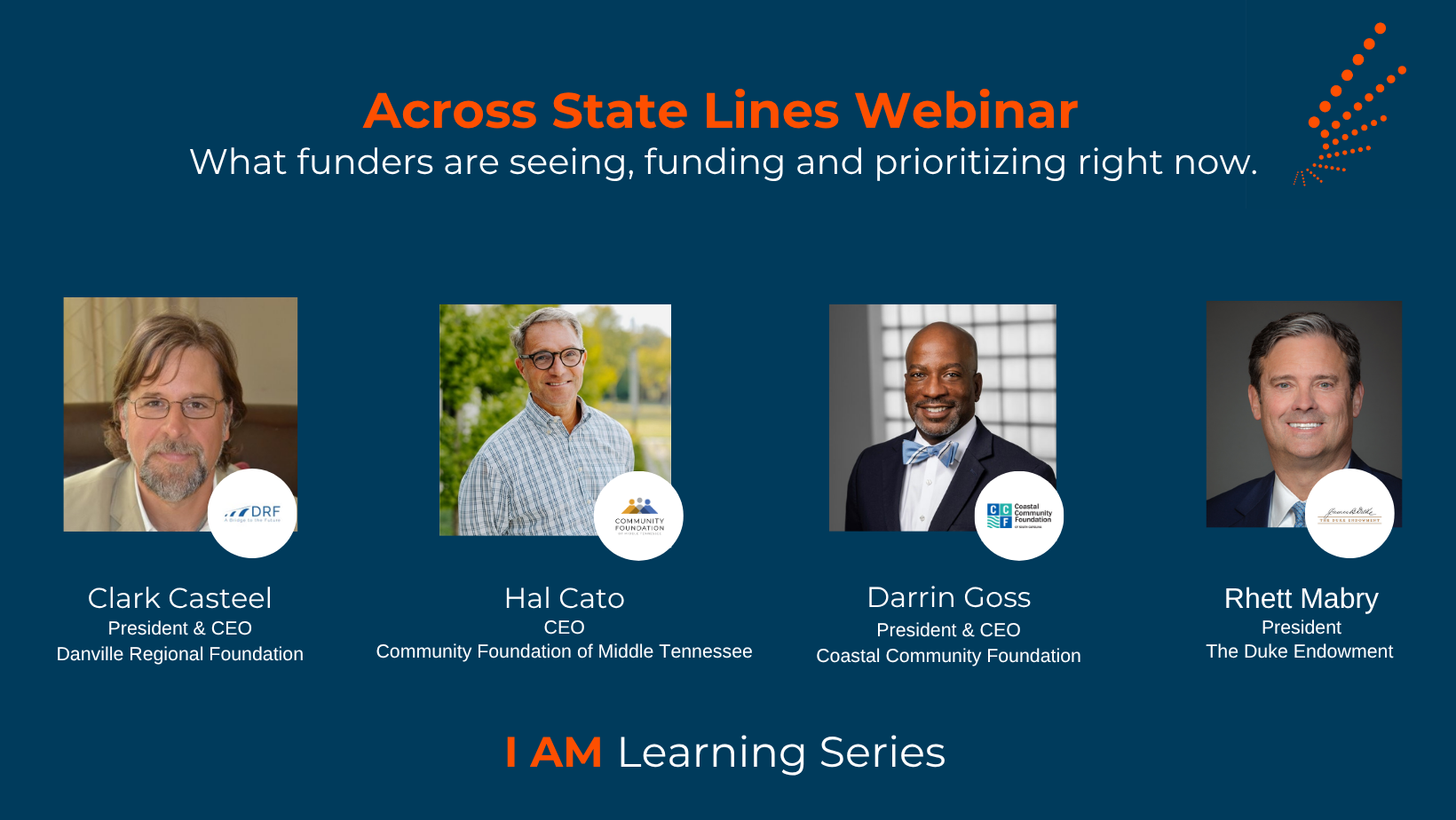
Across State Lines What Funders Are Seeing, Prioritizing and Funding Right Now
Staying Connected
Complete the form below to receive the latest updates, events, and insights.
Ready to Partner