


© 2022 Armstrong McGuire & Associates. All rights reserved.

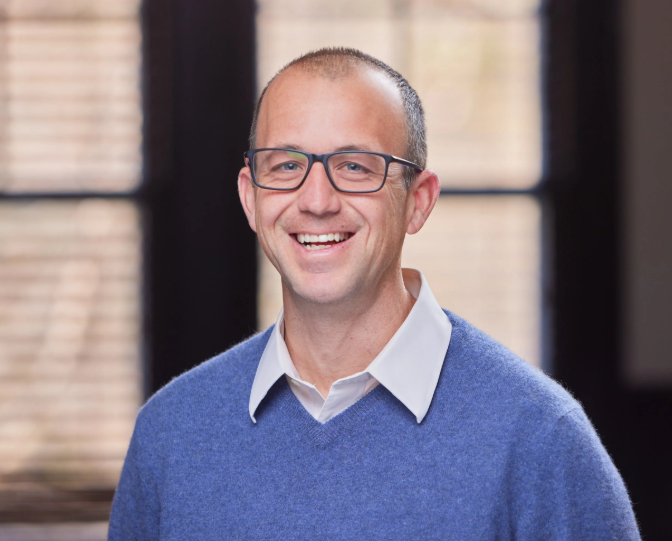
We’re pleased to welcome Damon Circosta, Executive Director and Vice President of the A.J. Fletcher Foundation, to the Armstrong McGuire blog — bringing his deep experience advancing nonprofit impact, strategic philanthropy, and community leadership across North Carolina.
At the start of each new year, most nonprofits are closing out the last one. Reports are finalized, thank you notes are sent and “gift” receipts are issued. While these routines are normal and the language we use is familiar, they’re also worth evaluating.
Calling a grant a “gift” suggests a one-way act of generosity with no real expectation attached. That framing might be convenient, but it doesn’t reflect how philanthropy actually functions. The work we are collectively engaged in isn’t charity. It’s about building healthier, stronger communities and that work is inherently reciprocal.
At the A.J. Fletcher Foundation, we don’t see ourselves as bestowers of gifts. We see ourselves as partners. A gift implies a benevolent giver and a grateful recipient. It also implies that there’s no expectation of return. But foundations can’t achieve our missions without the talent, judgment, and day-to-day labor of nonprofit leaders and staff. Our success is inseparable from theirs. The word “gift” carries assumptions that undercut reality.
Reframing grants as investments helps clarify roles and responsibilities. It encourages shared accountability rather than one-sided generosity. Funders are accountable for being clear, patient, and engaged. Nonprofits are accountable for executing, adapting and stewarding resources well. That framing is more honest, and more useful, than pretending all this work is just charity. It shifts the focus away from the donor and toward the community. A gift mindset centers the act of giving. An investment mindset asks different questions. What is changing? What is getting stronger? What will last beyond this grant cycle?
Unlike market investors, philanthropic returns are not often measured in dollars. We look for stronger institutions and better outcomes for people and places. Those returns are harder to quantify, and one of the challenges in our sector is mistaking what’s countable for what counts. As some of the most important work in our communities doesn’t show up cleanly in a spreadsheet. Building trust. Developing leadership. Creating the conditions for collaboration are harder to quantify but only happen when we view the work as something more than a gift.
There are opportunities for (as they say in the private sector) “ROI”, but those returns only come about if we reconceptualize our work as seeking community value as opposed to gratuitous exchange. Simply acknowledging that resources should be deployed with intention, in partnership, and with clear expectations from all involved does not negate the generosity of the people who choose to use their funds this way. When done well, philanthropic investments can deliver a sense of joy, gratitude and accomplishment. More importantly, these investments yield returns in stronger institutions and community success.
Changing our language won’t resolve the many challenges our sector faces overnight. But language shapes behavior. Moving away from the language of gifts and toward the language of investment is a small but meaningful step toward a more effective and more honest sector. Funders should stop thinking of themselves as gift-givers. Nonprofits should stop framing their work as charity. The work we do together is an investment in North Carolina’s communities, and it’s time we talked about it that way.

Whether you’re ready to expand your organizational capacity and move forward with purpose, or just want to talk shop, we’d love to connect.
Get In Touch